Take a look around your yard this weekend.
Are the shrubs starting to cover the front windows? Has the mulch faded since spring? Maybe there are a few empty spots in the landscape where plants didn’t make it through the heat, or the beds just don’t look as clean and defined as they did a couple of months ago.
If you’ve noticed those changes, your landscape is doing what most landscapes do this time of year. By mid-summer, even well-maintained landscapes around Lancaster County start showing the effects of a long growing season. More often than not, your landscape doesn’t need to be completely redone. A few thoughtful improvements can clean things up, improve plant health, and keep your yard looking its best through the rest of the season.
When we walk a property this time of year, these are the first things we’re looking for.
1. Start with the Plants That Have Taken Over
Healthy shrubs grow fast during Pennsylvania summers. By July, it’s common to see them reaching over sidewalks, crowding entryways, blocking windows, or pushing into neighboring plants. That’s usually a sign they’re growing well, not that anything is wrong. They just need some attention.
Selective pruning helps restore their natural shape while improving airflow and allowing more sunlight to reach the interior of the plant. It’s also an opportunity to remove dead, damaged, or diseased branches before they become a larger issue.
Not every tree or shrub should be pruned the same way or at the same time, so it’s worth having someone evaluate what should be trimmed now and what should wait until another season.
2. Freshen Up the Areas People Notice First
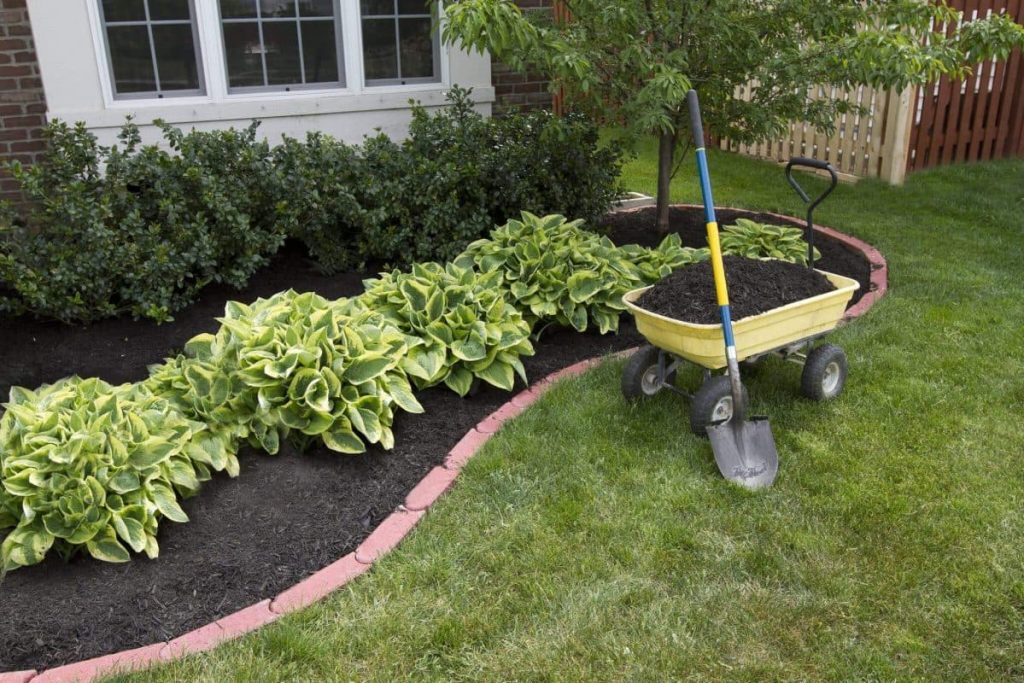
You’d be surprised what a difference fresh bed edges and new mulch can make to a property. Over the course of the summer, mulch fades, weeds find their way into planting beds, and crisp landscape edges slowly disappear. Even beautiful plants can look a little messy when the beds around them haven’t been maintained.
A mid-season cleanup typically includes pulling weeds, removing debris, redefining bed edges, and applying a fresh layer of mulch.
Besides giving your landscape a cleaner appearance, mulch helps retain moisture during hot weather, keeps soil temperatures more consistent, and helps suppress weeds as the summer continues.
3. Stop Fighting Plants That Aren’t Happy
Every landscape has a few plants that just never seem to do well. They may have been damaged during the winter or they’ve simply reached the end of their lifespan.
Rather than hoping they’ll bounce back next year, this is a good time to decide whether they’re still the right fit for the space. Replacing struggling plants with varieties better suited to your property can make planting beds look fuller today while creating a healthier landscape for seasons to come.
4. Sometimes the Best Improvement Is Removal
“Can we just trim this back again?”
Sometimes the answer is yes but other times, a shrub has simply outgrown the space.
We’ve seen foundation plantings covering half the front of a home and bushes that need to be cut back several times every year just to keep them under control. In those situations, replacing an oversized shrub with one that’s better suited to the space usually creates a cleaner look and reduces maintenance in the years ahead.
Landscape renovations don’t always mean starting over. Sometimes removing one overgrown shrub changes the entire feel of the front yard.
5. Look for the Small Opportunities
Not every improvement has to be a major project. Adding seasonal color near the front entrance, filling empty areas in existing beds, or updating a few tired shrubs can go a long way toward making your landscape feel intentional again.
These smaller updates also help carry your landscape through the rest of the summer and into fall without requiring a complete redesign.
6. Think About Fall Before It Arrives
Believe it or not, this time of year is when many of our fall projects begin.
If you’ve been thinking about replacing foundation plantings, installing new trees, updating landscape beds, or planning a larger landscape renovation, now is the perfect time to start the conversation.
Planning ahead gives you time to make thoughtful decisions and helps ensure your project is ready when ideal fall planting conditions arrive.
Not Sure What Your Landscape Needs? Start Here.
Every property is different, but there are a few signs that tell us it’s time for a mid-season refresh.
- Shrubs have become too large for the space.
- Trees or branches are blocking windows, sidewalks, or views.
- Mulch has faded, and landscape beds no longer have clean edges.
- Weeds are becoming harder to stay ahead of.
- Plants have died, struggled, or left noticeable gaps.
- Your landscape just doesn’t look as finished as it did earlier in the season.
We’d Be Happy to Walk Your Property With You
No two landscapes are exactly alike, which is why we don’t believe in generic recommendations.
When we visit your property, we’ll walk the landscape with you, point out what we’re seeing, answer your questions, and recommend improvements based on your goals rather than a predetermined list of services. For some homeowners, that means selective pruning and a fresh layer of mulch. For others, it means planning ahead for new plantings or a landscape renovation this fall.
Whether you’ve worked with Root’s for years or you’re looking for guidance for the first time, we’re always happy to help you make the most of your outdoor space. Connect with our team today to learn more.